I work with UX leaders and teams when things start to feel messy — helping them align priorities, make better decisions, and move forward together with clarity and confidence.
As teams grow and complexity increases, these situations tend to show up — even in capable, well-intentioned teams.

The same topics resurface across meetings and projects, with decisions discussed but rarely feeling settled or clearly owned over time.

Plans are documented and visible, yet day-to-day decisions still feel disconnected, leaving teams unsure how priorities should guide their choices.

Differences are felt beneath the surface, but conversations stay polite, allowing assumptions, disagreements, or uncertainty to linger without being explored.

Momentum slows as uncertainty builds, and teams hesitate more than they decide, unsure whether their efforts are leading somewhere meaningful.
Rather than prescribing solutions or tailoring every session from scratch, I use a small set of proven exercises that help teams do their own thinking — collectively, openly, and productively.
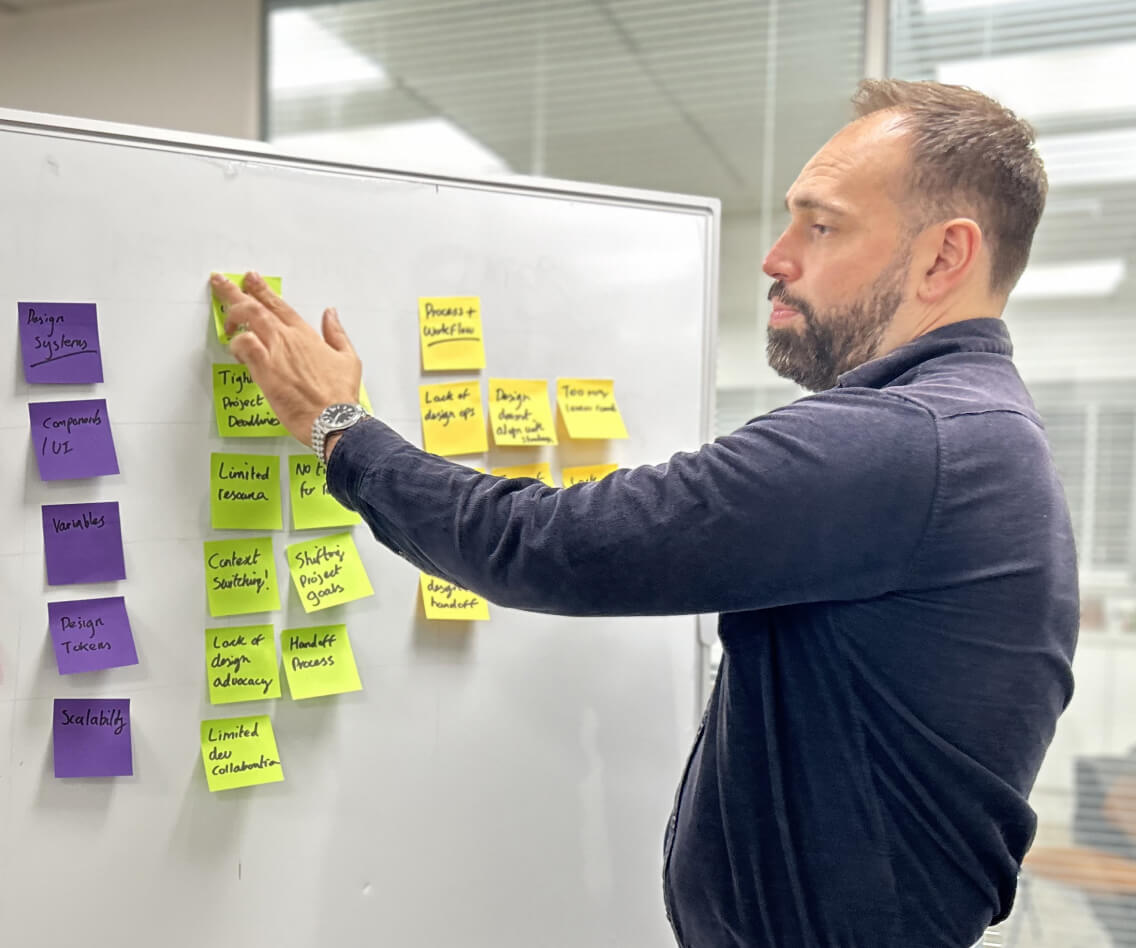
Workshops begin by helping teams slow down and surface what’s actually getting in the way — whether that’s unclear priorities, competing assumptions, or unspoken tension.
I use structured, out-of-the-box exercises to guide teams through difficult conversations. The structure creates focus and momentum, while still leaving space for teams to explore what’s real for them.
The outcome of a workshop isn’t documentation. It’s alignment — shared understanding of what matters, where the team stands, and what needs to happen next. Any artefacts simply support that clarity.
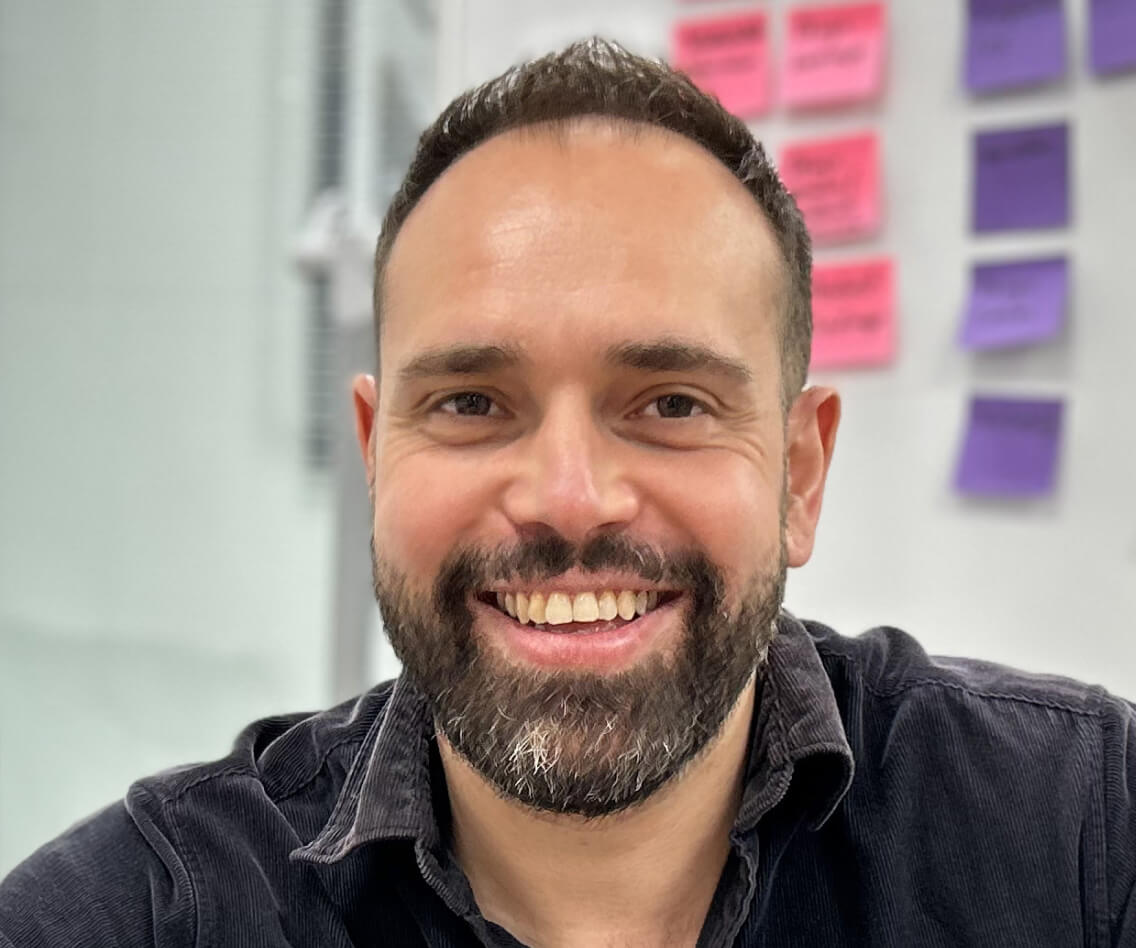
Hi, I’m Rob. I’ve spent the past 15 years working closely with product and design teams - from small startups to global ecommerce brands.
Rather than prescribing solutions or tailoring every session from scratch, I use a small set of proven exercises that help teams do their own thinking — collectively, openly, and productively.
My experiences and love of human centred collaboration have now led me to focus on facilitation: providing structure and a neutral space where teams can slow down, think together, and make sense of complex situations collectively.
View my background on LinkedIn →
Things people often ask before getting started